Charge Smarter, Drive Further with Our EV Charging Tools
Empowering you with the best tools to make electric vehicle charging easier, faster, and more cost-effective.
Our daily lives depend entirely on electricity because it distributes power to bare light bulbs and advanced machine equipment. To understand how electrical power works, it’s essential to grasp the relationship between three key concepts: amps, Watts, and Volts. This simple frame of reference will present a straightforward introduction to electrical terms and their systematic relations.
Understanding Volts (V)
The voltage measurement through volts (V) represents the force pushing electrical current through a circuit. A circuit functions similarly to water pressure, which directs powerful water flow based on the pressure level. The power source that produces voltage includes batteries and electrical outlets. Most residential outlets in various regions generate power at 120 volts.
Electric devices malfunction when they miss adequate voltage levels. The fundamental unit voltage initiates electrical processes that distribute energy for powering everyday home appliances. Discovering voltage fundamentals helps users guarantee optimal safety and efficiency for their electrical equipment.
Understanding Amps (A)
Amperage, or amps (A), measures the flow of electric current. Ampread defines the amount of electricity that passes through a pipe. When circuits carry higher amperage, more electrical current is allowed to pass through them. Determining the power limits on any circuit requires knowledge of electrical amperage, which helps users confirm that wires and connected electronics can operate without thermal damage.
The amperage rating for a hair dryer ranges from 10 to 15 amperes, but phone chargers operate at a lower level below one ampere. By knowing the amperage rating, users can better supervise their energy usage while maintaining safe circuit levels to avoid critical damage.
Understanding Watts (W)
The energy capacity measurement unit Watts (W) quantifies how much power devices absorb or give off. It’It’slculated using the formula:
Watts = Volts × Amps
The equation demonstrates three components that map to voltage and amperage to create power. Electric devices powered by 120 volts consuming two amps require 240 watts of energy. Watts help evaluate device energy efficiency through comparisons, while lower wattages indicate more efficient products.
Light bulbs use wattages from 40 to 100, while microwaves typically need approximately 1000 watts.
How Amps, Watts, and Volts Interact
Managing electrical systems requires a strong comprehension of the relationships between amps, watts, and volts. Each element exists in a system with volts and amperage transmitting information to watts through their integrated structure. For example:
When you raise voltage while maintaining the static amperage, the device draws, and you elevate its wattage.
Lowering amp flow when maintaining voltage creates lower wattage results.
This pivotal relationship depends on the correct power supply selection and device compatibility. OhmOhm’sw stems from this fundamental relationship, which controls electrical circuit behaviour.
Practical Applications and Examples
Power measurements have valuable applications in everyday activities. Wattage measurement provides essential information when buying generators and power banks because it determines their ability to power the necessary devices. People can learn about an app appliance’s energy usage and cost performance by reading its electrical rating information.
Electrical safety operates as a practical illustration of power measurement applications. People who know the power capacity limitations of home circuits can better prevent circuit overloads that create fire risks.
Conclusion
The fundamental elements for grasping electrical power consist of Amps, watts, and Volts. Voltage serves as a necessary force for power, amperage tracks the quantity of flow, and wattage equals the complete energy consumption. Knowledge of these fundamental electrical concepts empowers people to make well-informed choices about energy practices, system efficiency, and safety protection. The value of electrical power fundamentals continues to increase as our world becomes more dependent on electricity since they support immediate practicality alongside extended energy administration needs.
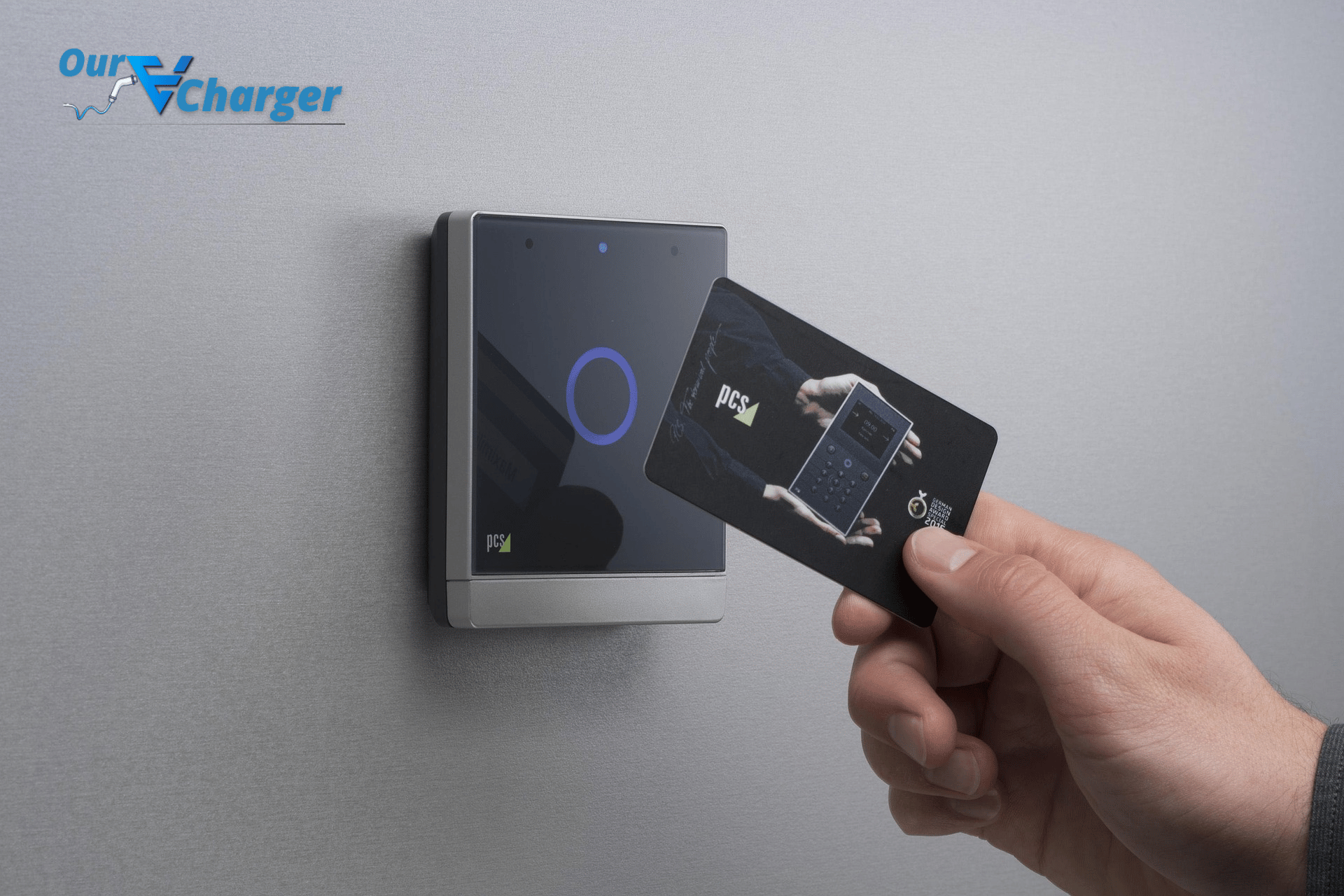
Owning an electric-powered vehicle is interesting, but ensuring it stays charged while traveling is vital. An RFID card can make gaining access to public charging stations easy. Let’s explore how you could get one.
What Is an RFID Card for EV Charging?
An RFID card is a small plastic card with a chip internal. This chip interacts with charging stations, allowing you to start or forestall a charging consultation quickly.
Basics of RFID Technology
The card makes use of radio waves to share data with the charging station. It’s quick and works without a web connection.
Why RFID Cards Are Useful for EV Owners
With an RFID card, you don’t want to rely on cell apps all the time. Some stations best take delivery of those playing cards, making them an important device for EV drivers.
Reasons to Get an RFID Card for EV Charging
Convenience in Public Charging
With an easy faucet of the card, your charging consultation starts offevolved. This eliminates delays resulting from phone apps or poor network coverage.
Access to Multiple Charging Networks
Many networks provide RFID playing cards, letting you use their stations throughout various locations without greater steps.
Reliability During Road Trips
If you’re in an area with constrained cellular signals, an RFID card guarantees you may still price your automobile wwithoutissues.
Steps to Obtain an RFID Card
Choosing a Charging Service Provider
Picking the right provider is essential. Consider which networks they support and the general ease of use.
Key Features to Evaluate
Look for less expensive pricing, huge station availability, and a person-pleasant cell app that complements the card.
Placing Your RFID Card Order
Simple Online Process
Visit the issuer’s internet site or app. Look for the choice to order an RFID card. It’s typically brief and simple.
Information You Need to Provide
You’ll need to proportion your call, cope with, price details, and now and then automobile data.
Activating Your RFID Card for Use
Activation Steps Explained
After receiving the card, open the app or internet site of your company. Enter the particular card number to set off it. You’ll get a confirmation once it’s equipped to use.
Using an RFID Card at Charging Stations
Locating the Nearest Station
Use the provider’s app or map to discover the closest charging station that helps your card.
Starting and Ending a Charging Session
To begin, faucet the cardboard on the station’s reader and join your vehicle. When charging is completed, faucet the card again to stop the consultation.
Common Questions About RFID Cards
Is an RFID Card Necessary if You Use an App?
While apps paint for many stations, now not all stations take delivery of them. Having an RFID card ensures you’re organized for any scenario.
How Much Does an RFID Card Cost?
Most cards cost between $five and $15. This fee frequently includes shipping and taxes.
Can One Card Work Across Different Networks?
Some providers offer playing cards that paintings with multiple networks, but it’s quality to confirm this whilst signing up.
Conclusion: How to Get an RFID Card for EV Charging
AnRFID card makes EV charging simple and reliable. Whether you’re on an everyday travel or an extended journey, this small card ensures you’re in no way stuck without electricity. Follow the steps above to get your RFID card nowadays and revel in trouble-free charging anywhere you cross.
Charging Your Electric Vehicle at Walmart in Deming
That is, as EVs are gaining more popularity, people start installing chargers at the most accessible places in the country. One of the places that many of these drivers said they benefited is Walmart. Now, in Deming, New Mexico, Walmart is taking its part and providing an opportunity to recharge an EV car. Let’s find out how much it costs to charge an EV at Walmart in Deming and what drivers should know before they do it.
Having one’s charging stations.
Walmart has dedicated itself to constructing level II & fast EV charging capacities everywhere in its stores, including Deming. With the new generation of precise EV charging stations, Walmart has become a valuable place for people-owners of electric vehicles to charge their cars while making purchases.
Understanding the Costs
The price that a client is going to be charged while charging their electric vehicle at Walmart in Deming depends on the type of charging terminal that is used and the kind of pricing model that the service provider has adopted. Initially, Walmart contracts with Electrify America to offer charging services; the latter has three-tiered pricing schemes, charging per kilowatt-hour used and sometimes additional per-minute charge.
Type of Charger: It is with great realization that fast chargers are more expensive per kWh unit than original chargers. In this case, you might choose one type over the other depending on how much your car can carry and how badly you need it.
Membership Discounts: Electrify America has membership plans, and the cost of charging with this member price is much cheaper for frequent users. However, people who use those stations often should consider enrolling in the plan.
Time-based Fees: OAnother example is costsbased on time spent io stimulate quick staff rotation in the most popular places. It is good to note these to ensure that they fit the knowledge gained in the schedule.
Charging Efficiency
This typically varies with the specific EV and charger available,, and there is usually a charging efficiency rating. If you plan to shop for a very short period, you may get by with a standard charging station. However, ultra-fast charging stations—when complementary to your chosen EV—provide quite a level of battery replenishment, enabling you to resume your journey soon after.
Charging Tips When At Walmart
Check Availability: Before going to Walmart in Deming, it is necessary to examine the availability of the charging stations before using them. Some applications can help one access real-time data on the available stations. Plan Your Visit: As charging may take some time, it is advisable to charge at a place where you can also do other things, like shopping or any other business. Budget: Knowing the fluctuations in charging costs assists in cost planning and avoids an今 acreage.
Conclusion
There is a Walmart in Deming where you can charge your EV, which is available to both city residents and travelers in New Mexico. However, costs vary by kind of charger and membership, but if you plan your charging adequately, it will not have to be costly or time-consuming theas the distribution of EVs and the associated charging infrastructure increase, it is critical to be aware of details of places, such as Walmart, to optimize using the new networks.
Walmart in Deming offers electric vehicle (EV) charging stations, making it a convenient stop for EV owners to recharge their vehicles while shopping or running errands. The charging stations are easily accessible and provide a quick and efficient way to top off your battery, helping you get back on the road.
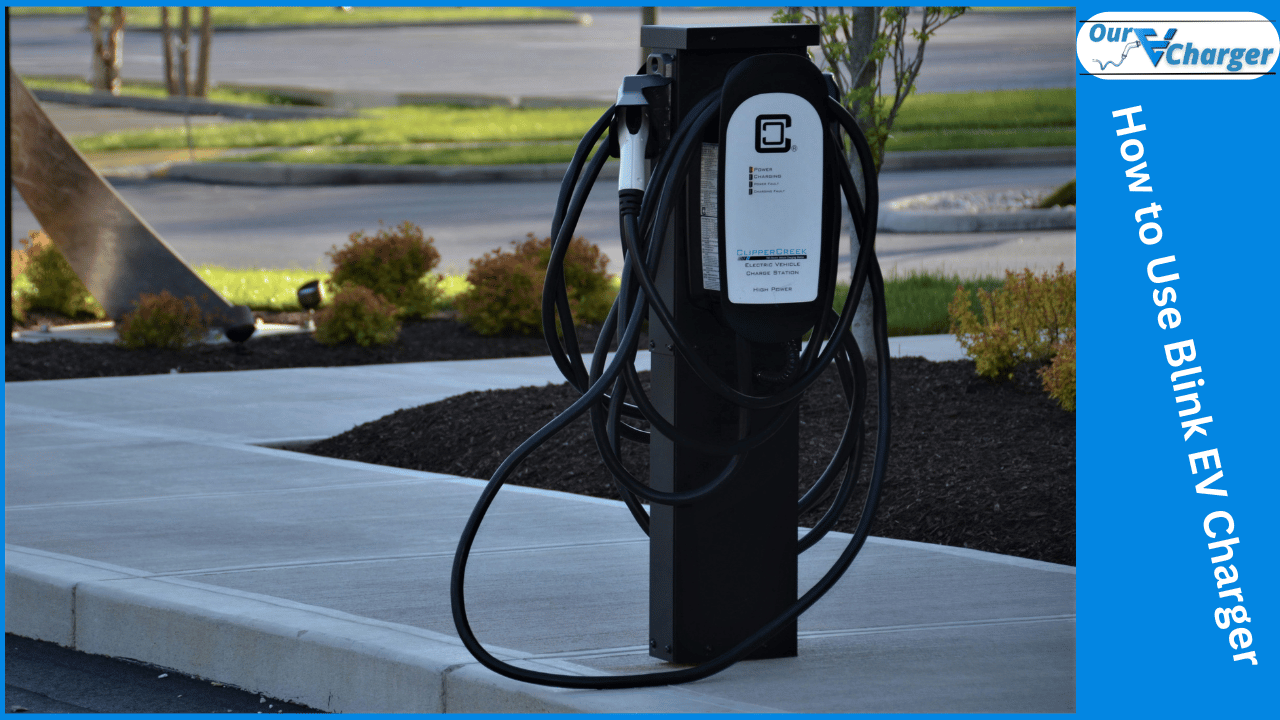
Electric vehicles (EVs) are more popular than ever. But as they develop in use, so does the need for green charging. Blink Charging has emerged as one of the top picks for EV owners. This article shows you how to use Blink EV chargers like a seasoned one.
Understanding – How to Use Blink EV Charger
Blink is a major player in global EV charging. It offers stations throughout towns that cater to distinct automobile styles. Blink chargers are acknowledged for their reliability and ease of use. There are two main kinds: Level 2 chargers for daily use and speedy chargers for a faster peak-up.
Preparing Your Vehicle and Charger
Before you begin, consider your automobile’s charging needs. Is it well-suited to DC or AC chargers? This is key. Also, make sure you know where your car’s charging port is. The proper preparation will save you time and confusion later.
How to Choose the Correct Charging Station
Blink chargers come in exceptional configurations, and some stations are faster than others. Take a moment to test which charger is high-quality for your car. It’s easy: match your automobile’s capabilities with the station’s specs.
Charging Your Electric Vehicle
Once you are on the charging station, the system is simple. Here’s how to get your EV charged up with no problem.
Connecting Your EV to the Charger
First, plug the charging cable into your vehicle’s port. The connection has to be secure. Blink stations are intuitive—follow the on-display screen commands or the app if needed. Don’t worry. It’s smooth after you get a hold of it.
Monitoring Charging Progress
After your car is plugged in, monitor its progress. Blink chargers display real-time statistics on the display. You can also update your phone using the Blink app, which will keep you informed about how long you’ll be ready.
Blink EV Charger Etiquette
Using the Blink charger responsibly is crucial. Following simple etiquette ensures that everybody can price without any trouble.
Responsible Charging Habits
Charge the most effectively while you need it. Don’t use a charger if you’re not using it. This helps others who want the station. Blink encourages all customers to be aware of this straightforward rule.
Parking and Positioning Your Vehicle
Park properly. Ensure your vehicle is absolutely within the distinctive space. This will allow others use the station,,, too. If there are a couple of ports, leave room for others to plug in. It’s about being thoughtful.
Common Problems and How to Solve Them
Occasionally, problems can arise. But don’t fear! Here are a few hints to troubleshoot any troubles you may face.
Troubleshooting Common Issues
Unresponsive ChargerCheck the app for updates ifIf the charger isn’t runnies. Sometimes,, the charger may be down quickly. If it’s miles, finanotherer onnearbyby or file the problem.
Slow Charging: If the charging pace is slower than predicted, make sure you use the proper type of charger on your vehicle. DC chargers are faster than AC chargers. If the problem persists, test whether your car’s charging gadget is operating well. Three. Payment Problems: Double-check your Blink account for fee troubles. If your card is damaged, replace it via the app.
Conclusion: Maximizing Your Blink Charging Experience
Blink EV chargers provide aclean and efficient manner to keep your electric vehicle charged. Following those simple steps may ensure that each charging session goes quicklyy. Remember, usual,ly be considerate of different drivers and comply with proper charging etiquette. In this manner, everybody blessings from the growing electric car network.
The Chevrolet Blazer EV is making waves. It’s a graceful electric powered car (EV) filled with features that cater to nowadays’s eco-conscious drivers.
But how do you preserve it charged, particularly at domestic? It’s less difficult than you suspect.
How Do You Charge the Chevrolet Blazer EV at Home?
The Growing Popularity of EVs
Electric automobiles are anywhere now. More people are switching to EVs because they’re better for the surroundings. Plus, they’re cheaper to maintain.
No extra stressful approximately fuel costs. With extra charging alternatives, the transition to EVs is smoother than ever.
Charging Basics for the Chevrolet Blazer EV
Charging an EV just like the Chevrolet Blazer EV is easy, however understanding the special methods is key. There are two important types: Level 1 and Level 2.
Understanding Charging Levels
The Blazer EV may be charged in two approaches. Level 1 uses a ordinary outlet, and Level 2 calls for a committed domestic charger.
Level 1 Charging (120V Outlet)
Level 1 is the perfect. You simply plug the car right into a ordinary 120V outlet. Simple, right? But don’t count on short outcomes. Charging may take a long time.
You could be searching at 24 hours or greater for a complete price, relying on your battery’s capacity. It’s ideal for overnight charging, however now not best in case you want a quick turnaround.
Level 2 Charging (240V Outlet)
Level 2 is tons quicker. It uses a 240V outlet, just like the one you might have in your dryer or oven. Installing a Level 2 home charger isn’t difficult, but it’s a bigger funding. Once it’s installation, though, it’s worth it. A full price will take only a few hours.
How to Charge Your Chevrolet Blazer EV at Home
Charging at home is one of the most important perks of owning an EV. It’s convenient, and it could save you time. But how do you pass about it?
Using a Standard 120V Outlet (Level 1)
The easiest way to price is with a 120V outlet. It’s as easy as plugging for your vehicle’s charging cable. But, once more, it’s gradual. This is more of a “set it and overlook it” method for in a single day charging. Just remember: in case you’re in a rush, this gained’t reduce it.
Installing a Level 2 Home Charging Station
If you need faster charging, a Level 2 home charger is the manner to move. It requires a 240V outlet. To get it set up, you’ll want an electrician. But once it’s set up, charging your Blazer EV can be a breeze.
Steps for Installing a Level 2 Charger
Choose a Location: Decide wherein you’ll park your vehicle. Make positive it’s close to a energy supply.
Hire an Electrician: A expert is essential to install the 240V outlet.
Install the Charger: Once the hole is prepared, mount the charger.
Test It: Make positive the charger works before relying on it.
After set up, charging takes only some hours. It’s the great desire for ordinary use.
The Role of the My Chevrolet Mobile App
The My Chevrolet app isn’t only for checking your automobile’s popularity. It also allows with charging. You can set charging schedules, test battery stages, and get alerts whilst the auto is absolutely charged. It’s a high-quality device for handling your EV’s energy needs.
Advantages of Home Charging for the Chevrolet Blazer EV
Charging at domestic is greater than just handy. It has several different blessings.
Convenience and Cost Savings
No want to attend at a public charging station. You can rate overnight within the consolation of your house. Plus, home charging is less expensive. Electricity prices much less than public charging, and charging in the course of off-peak hours can prevent even extra.
Tips for Efficient EV Charging
Want to make your charging experience even higher? Here are a few guidelines.
Optimizing Charging Times
If you’re on a time-of-use electricity plan, you can time table charging during off-peak hours. This allows decrease your fees. Plus, the My Chevrolet app lets you schedule whilst you need your automobile to fee.
Conclusion : How Do You Charge the Chevrolet Blazer EV at Home?
Charging your Chevrolet Blazer EV at domestic is simple. Whether you use a popular 120V outlet or set up a Level 2 charging station, each options are handy.
The My Chevrolet app enables you keep song of everything. With the right setup, you can ensure your EV is always prepared to head.
Electric motors (EVs) have become extra not unusual. With this upward thrust, many are choosing domestic charging stations. This is a handy and fee-effective desire.
You can price your automobile while you sleep, with out traumatic approximately public charging stations. But it’s crucial to apprehend what you want for setting up your private home charging wire.
A Complete Guide to Home EV Charging Wire
Why Home EV Charging is Important
Home EV charging gives many advantages. It’s convenient, saves time, and regularly expenses less in the end. Charging your automobile at domestic approach no waiting in line at public stations.
Plus, you can charge for the duration of off-height hours to shop on power bills. If you force an electric automobile, putting in a domestic charging station is really worth considering.
Choosing the Right EV Charging Wire for Your Home
Picking the proper wire for your own home charging station is key. It influences how fast your vehicle costs and the way secure the device is. Here are a few matters to think about when choosing your charging cord.
Factors to Consider When Choosing EV Charging Wire
Several elements come into play while deciding on a charging wire. These include the connector kind, period, and the twine’s gauge. Make certain the twine fits your car and domestic setup.
Type of EV Connector
The connector is one of the first things to test. Different vehicle models use exceptional connectors. In the U.S., J1772 and Tesla connectors are not unusual. Make positive the charging wire you purchase suits your car’s connector type.
Wire Length
Next, reflect onconsideration on how lengthy your charging twine ought to be. A longer twine gives greater flexibility in wherein you park your car. But, a shorter twine can reduce clutter. Think about wherein you’ll park your car and pick the proper length as a result.
Gauge of the Wire
The wire’s gauge, or thickness, topics. Thicker wires can carry more strength. This allows in case you need to charge faster. For maximum home setups, a 6-gauge or eight-gauge wire is a great choice. Check the electricity necessities of your car before buying the twine.
Installing Home EV Charging Wiring
After deciding on the proper cord, it’s time to install it. You can both hire a expert or do it yourself. Both options have professionals and cons, so let’s break them down.
Professional Installation vs DIY
Professional installation ensures the entirety is performed competently. They comply with all codes and regulations. However, this is probably greater luxurious. If you already know your way round electrical systems, you might bear in mind a DIY set up. Just make sure you apprehend the dangers concerned and comply with safety suggestions.
Safety Precautions During Installation
Installing EV charging wires may be unstable. Always make certain the power is turned off before you start. Wear safety gear and use outstanding tools. If you’re unsure, lease a professional to avoid any risky errors.
How to Maintain Your Home EV Charging Wire
Keeping your charging cord in precise condition is essential for safe operation. Regular protection will help you avoid troubles. Here’s how to keep your wire running nicely.
Regular Inspection and Testing
Regularly investigate the cord for any harm. Look for symptoms of damage, like cracks or fraying. Also, test the charging wire to make certain your automobile is charging properly.
Signs of Wear and Tear
Over time, you can notice signs and symptoms of wear and tear. These should encompass cracks inside the insulation, or uncovered wires. If you notice these troubles, replace the twine at once. Don’t chance using a damaged charging twine.
Cleaning the Charging Wire
Keeping the wire clean is straightforward. Wipe it down with a moist fabric to put off dirt and dirt. Avoid harsh chemical substances that may damage the insulation. Dry the twine absolutely before the usage of it again.
Common Issues with Home EV Charging Wires
Even with right maintenance, you might face some troubles. Here are a few commonplace problems that human beings revel in with their domestic EV charging wire.
Troubleshooting Common Charging Problems
If you are having problem with your charging setup, attempt troubleshooting. Many problems are easy to restore. Check your wire and the charging station.
Low Charging Speed
If your EV isn’t charging as fast as it should, test the wire’s gauge. A thicker twine can bring more power. Also, make certain your property’s electric system isn’t proscribing the rate charge.
Overheating Issues
Overheating can happen if the twine is too skinny or if it’s exposed to an excessive amount of warmness. Ensure the twine you operate is the right gauge to your charging desires. Keep the cord cool with the aid of warding off exposure to direct sunlight.
Conclusion: Ensuring Safe and Efficient Home Charging
Choosing the right domestic EV charging wire is vital. It influences the speed and protection of your charging. Always bear in mind the type of connector, cord length, and gauge. Also, do not forget that everyday renovation allow you to keep away from common problems. Whether you rent a expert or do it yourself, make certain the set up is executed effectively. A dependable domestic charging gadget will make your EV ownership less difficult and more handy.
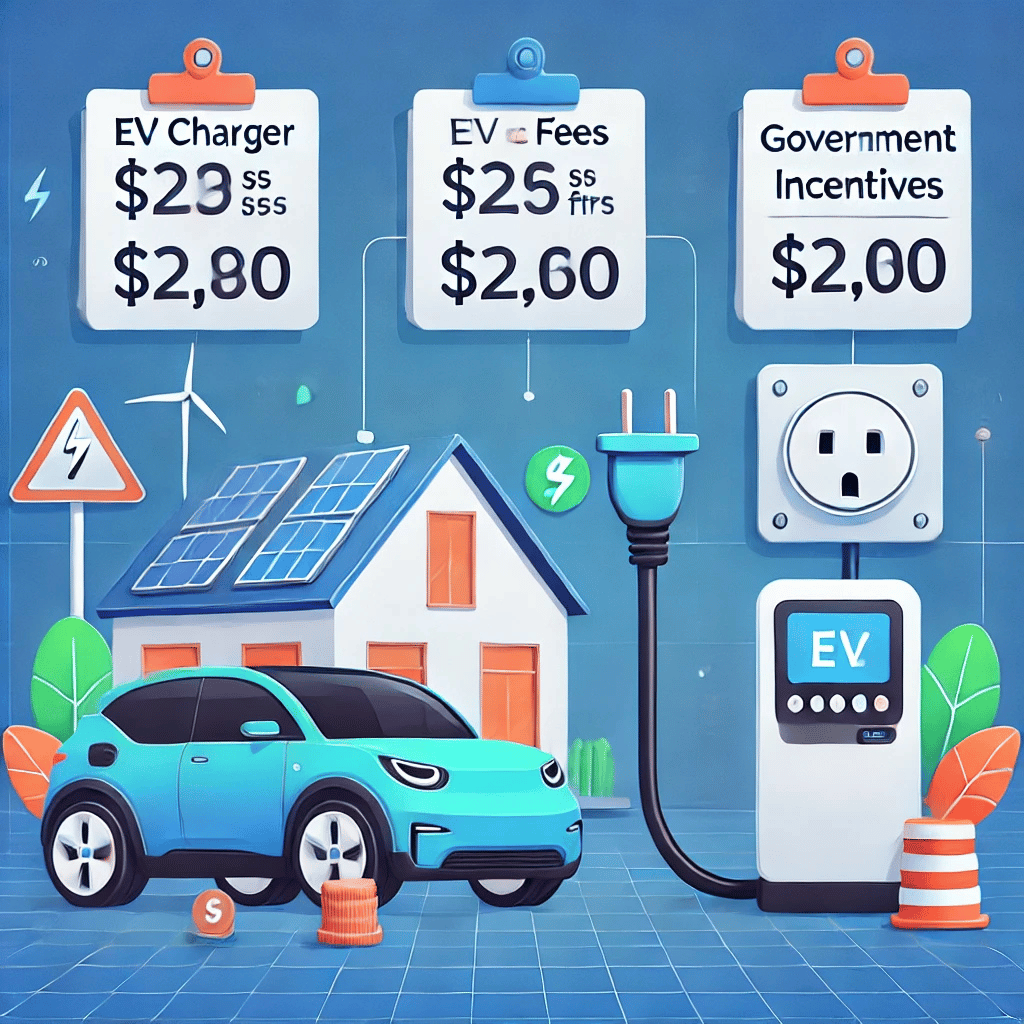
Having an EV charger at home is incredibly convenient, saves money, and has a favourable impact on the environment. This ensures that the owners of the EVs can charge their cars during the night so that they get up to fully charged each morning without having to use stations that are publicly available. Self charging is cheaper, this is because home charging can be done at off peak hours when the rates are relatively high and the use of clean energy such as solar energy reduces green house gas emissions.
The price of the Home Charging Units for EV
Home charging of electric vehicles is also referred to as Level 2 charging; the price of an EV home charging unit depends on the brand, specifications, and charging ability. Level 2 charger which are fixed in homes cost between £350 and £1000 on average. Frequently, this investment can be offset in a number of years by savings on fuel and fee for charging from the public.
From Installation Costs for a 240V EV Charger:
Level 2 chargers, otherwise known as 240V chargers cost between £800 and £1,500 depending on the wiring requirements of the house. Depending on your utility company, there might be special rates and incentives available for owners of EVs that range from off-peak electricity tariffs to certain rebates on the installation of an EV charger, and so on that will decrease your costs even more.
Free Home Charged Availability
While it is rare to get an absolutely free home EV charging equipment, there is always some kind of government grant or incentive involved that makes it more affordable. For instance the Electric Vehicle Homecharge Scheme (EVHS) that applies in the UK involves grant funding where up to 75% of the cost of installation is funded though the maximum allowable sum being £350. However, there some expenses that can be offset, through either discounts offered by some utility companies or from offers from EV manufacturers.
Conclusion
Clearly, Home EV charger increases the utility of an electric vehicle, may save costs, and is eco-friendly as well. Although there are initial costs involved in the purchase of the charger and its installation, there are various incentives which can be availed along with the long run benefits which definitely makes it a rather worthy investment plan for many electric vehicle owners.
The cost used to charge a van with those EV chargers amounts to £3.85 ($4.97) only. This makes it significantly cheaper than ordinary campsite electrical connection provisions. There is more public EV charging point, and its time rate is approximately £ 0.77 ($1.00). After conducting our research we realized that there was a cost effective way to maintain our van batteries.
In this article, lessons learned throughout the 2020/21 season will be outlined. The batteries would run out at various times and this demonstrated to us why charging back up options have to be reliable. New VAN charging systems back power converters up to 2000W. This lets you be able to use standard household appliances even while on the move. Level 2 charging stations deliver 240V power output and as such, van charging stations are feasible for the use in fleet operators.
Allow us to explain all you need to know about charging your van with EV chargers. This piece contains material on installation requirements, cost analysis and the practical management tips that you need.
What you should know about EV Charging for Commercial Vans
Specifically the market provides different models of charging stations specialized for commercial vans. Three main charging levels stand out: DC Fast Charger (DCFC), Regular fast charging Level 2, and Level 1.
S Level 2 chargers provide power ranging between 7 kW to 19 kW, and these are most suited for charging ev charging vans. These van charging station setups are increasing the charging ranges by approximately 25 miles per one hour charging. They also operate with 240V residential outlets or 208V commercial sockets, thus ideal for most applications.
The ev charger power converter system needs these power specifications:
Level 2 AC charging: 208V-240V power supply
DC Fast Charging: The system has DC power capability of 400V-1000V.
Power output range: DCFC stations 50kW to 350kW
DC Fast Chargers can take a commercial van to 80% charge in 30 minutes. Level 2 chargers have to be charged overnight. Besides, DCFC stations provide an extra 200 miles per hour of charging. This make them ideal for a quick recharge when they are not actively serving their routes.
Charging Level
Power Output
Charging Time
Level 2
7-19 kW
4-10 hours
DC Fast
50-350 kW
20-60 minutes
Commercial fleets identify the charging solution based on the dwell time, how long the vehicle stays parked. Level 2 chargers provide optimal choices regarding cost for those who are looking at charging durations that take more than a day. DCFC is suitable for short charging during the day when a vehicle user can only wait for not more than 20 minutes while charging.
Installing an EV Charger Power Converter
The installation of the EV charger power converter setup requires a planning strategy and implementation strategy. In this article, I’ll simplify all the aspects that you should know about the parts and how to install them.
Essential parts of assembly and devices
The van charging station setup needs these items:
A 3000W charger power converter for EV equipped for a continuous loading of 2000W.
Sufficient circuit breakers and wirings
Mounting brackets and Hardware
Cable management system
Personal protective equipment ( thermal gloves, face shield)
How to install COBOL Programs Pdf furnace thermostat Amprobe multimeter wiring diagram kenmore elite no cooling hensim07 dehumidifier manual Fisher Paykel cooker and oven VINTAGE CRAFTS tackle box manual 2008 polaris rzr 800 service manual AT&T t1928 User Manual homelite electrifoil manual 2009 polaris rzr 4 800 service manuals fisher paykel ecu-stage stitch
The right installation as expected will provide maximum performance. Here’s our proven process:
Another is isolating all power from the circuit that has been designated
Attach the power converter firmly with help of some brackets
The electrical panel itself should have an independent circuit breakers installed for efficient functionality of the installation.
Screw and connect the wiring as it is provided by the manufacturer631785
Get cable management system to ensure that the cords are well arranged
Check all reconnects before coming back to switching on the power.
Accompanying Concerns and Measures Anya
At this stage safety is the paramount concern being accorded the highest priority. The correct installation is well documented to require fairly stringent safety precautions. The cellar has to be equipped with GFCI protection against electric shocks in the equipment for the setup of the EV charging van. We prioritize:
Charging cable annual check up in an effort to check wear and tear.
To eliminate any possibility of fire near the charging equipment there should be adequate cross ventilation
Protection from the natural factors
Tight fixing to avoid spillage and volcanoes or disconnection by tampering.
Performance maintenance on the van charging station is enhanced through the usual check and cleaning exercises. Power converter should be located in a well-ventilated area, and for outside applications should be positioned higher then 24 inches from the ground.
How to Optimize the Charging Station for Your Van
Standard monitoring and the best scheduling methods are crucial for proper management of our van charging station. We have full charging management software to monitor the charging of our fleet as it happens.
Keeping track of full and trickle charging along with the current load being put on the battery
Our charging management system provides us visibility into charge and power usage. We can keep track of each vehicle’s charging conditions and put an emphasis on the charging current by time and usage. The system helps us monitor:
Monitoring Aspect
Benefit
Live Status
Track charging progress
Power Draw
Optimize energy usage
Battery Health
Predict maintenance needs
Scheduling and optimising charge times
What we discovered was that there is a solution to increasing the revenue within fleet through the right scheduling. This methodology leads to the increase of the revenue as much as of 38% in summer and 12% in winter. When our scheduling system gets overwhelmed by these new units, it is the fastest method of dealing with fleets that may contain more vehicle than chargers.
We use load management solutions to maximise efficiency by:
Charging demand distribution to and from different stations
Imposing charges when the traffic is low
Control of power supply by positing concern on individual vehicle priority
Troubleshooting common issues
Nevertheless, sometimes charging problems require instant solutions that would quickly solve the problem at hand. Our most significant difficulties are in the hardware malfunction, or lack of proper firmware, and sometimes the connection can be problematic. Our troubleshooting process includes:
Inspecting this segment of the charging point hardware for signs and symptoms of external harm
It will also ensure that only the correct firmware update version is being incorporated into devices.
Wireless connection test for smart features
Examining events in switchgear operation
In the course of these steps, we access professional maintenance support whenever the problem persists to minimize fleet downtime.
Cost Analysis and ROI
The economics of EV charger systems covering vans demonstrate promising results to substantiate for their worth. Further analysis reveals that planning and feasibility study on van related cost factors are required while establishing the EV charging van infrastructure.
Incidental expenses, Welcome to the world of possibilities where you don’t have to worry how much money is being put down as initial capital or the cost of equipment.
Van charging station investment differs depending with the charging level adopted. Level 2 chargers, which are our typical selection, are priced between £3,200 to £9, 600 ($4,000-$12,000) for total installation. DC Fast Chargers require an investment of £24 000-£80 000 ($30 000-$100 000) according to the CSPV’s Research.
Component
Cost Range
Level 2 Equipment
£560-£5,200 ($700-$6,500)
Installation
£640-£1,040 ($800-$1,300)
Power Management
£3,200-£4,000 ($4,000-$5,000)
Ongoing operational expenses
Some fixed are daily expenses such that include general maintenance and electricity bills. The EV charger power converter system’s annual general maintenance cost ranges from £320 to £400 ($400-$500). Networking fees together with the costs of subscription to software also further these recurrences.
Opportunities to save and realise other benefits
One of the things that can be seen most clearly is a very high, actually, a surprisingly high return on investment. Our fleet shows:
The above analysis shows that the annual savings for one car can reach £9,200 ($11,500).
Downward trend of energy consumption in vehicles which is only about twenty percent of that used in diesel vehicles.
The maintenance costs are coming down to 40% lower when compared to the regular vans.
It lowered the charging rate to about £2.50 ($3) per 100 km from £17 ($21) in diesel pickup vans. The EV charging vans have been found to be cheap in the long run, though there is considerable initial outlay.
Conclusion
One of the best things we have done is to change our fleet’s charging vehicles to EV charging vans. In our real-life driving cycle, Level 2 chargers, offer slow overnight charging, while DC Fast Charging gives ample and quick charging during busy routes.
Nobody disputes the fact that the safety of the charging infrastructure is crucial. Level 2 systems cost between £3,200 and £9,600, however our fleet savings figures have been staggering. Moreover, we have longevity and effectiveness on our side – electric charging is £2.50 per 100 km, while a diesel – £17.
These advantages are enhanced effectively by smart management systems. Because of load balancing and scheduled charging, our fleet’s revenu has increased tremendously. The charging stations work efficiently in their operations when well maintained. Modem operational fleets have a reason to charge EV due to 40% low on cost of maintenance and 80% low energy cost.
Charging of electric vans has been found to be more beneficial than the conventional fuelling for all categories of the fleets. What we have observed is that management and timely maintenance of charging equipment plays a critical role in the efficiency of a charging system, other than an initial installation.
FAQs
Q1. What are the types of EV chargers that exist depending on the form of commercial vans?
There are three main types of EV chargers: Basing on these classifications, there are Level 1, Level 2 and DC Fast Charging (DCFC). Level 2 chargers are most recommended for commercial vans, and range in outputs from 7-19kW; charging at this level delivers about 25 miles of range per charging hour.
Q2. In order to understand how long it would take to charge an electric van I asked?
The charging time differs from one charging type to another charging type. Level 2 chargers typically capture 4-10 hours of the battery pack to get fully charged ideal for overnight charging. The use of DC Fast Chargers can charge a commercial van in less than 30 minutes enabling it to be charged between routes.
Q3. What are the primary costs when establishing an EV charging station for vans?
The standby costs also differ depending on the charging level of the battery. Level 2 charges cost between £3,200 to £9,600 to include establishment costs of equipment along with installation costs. DC Fast chargers is costlier than the other types since it will cost £24,000-£80,000.
Q4. What should fleet operators do to improve the charging schedule of electric vehicles?
Intelligent scheduling systems may therefore be useful for charging optimisation by fleet operators. These systems can oversee the distribution of the charging demand with different stations, control the timing of charging depending on the peak and off hours and also charge based on priority of the vehicle. It may boost the additional revenue in a fleet in the summer by 38% and in the winter by 12%.
Q5. What are the current cost savings that may accrue from adopting electric vans?
The key is that a change to using electric vans generates considerable savings. It indicates that the 25+ fleets that subscribe to the company’s power and bank can potentially cut their vehicle energy consumption and yearly expenditure to a maximum of £9,200 per car, with a decrease of 80% in comparison with vehicles powered by diesel. Charging costs are relatively low at as low as £2.50 per 100 km compared to £17 for diesel-powered maintenance costs are also about 40% cheaper comparatively to traditional vans.
If you are thinking about shopping for an electric vehicle, you may wonder how much it will cost to install an EV charger at home. Home chargers make lifestyles less complicated, however they come with a rate tag. Let’s go over the fundamentals to help you apprehend what you’ll be purchasing.
What is an EV Charger?
Definition and Types
An EV charger is a device used to fee electric powered vehicles. These chargers come in two fundamental kinds: Level 1 and Level 2. Knowing the distinction among them will help you decide which one fits your needs.
Level 1 EV Charger
Description, Benefits, and Drawbacks
A Level 1 charger is simple. It plugs into any trendy 120-volt outlet, just like a regular household plug. The desirable factor? It’s unfastened, because it usually comes along with your vehicle. The disadvantage? It’s slow. You’re looking at 20 hours or greater for a complete fee. If you most effective power short distances, this could give you the results you want, but if you want quick charges, you may want a higher choice.
Level 2 EV Charger
Description, Benefits, and Drawbacks
A Level 2 charger is extra powerful. It uses a 240-volt outlet, similar to big home equipment like dryers. This charger will fill your battery plenty quicker—usually in 4 to 8 hours. The tradeoff? You’ll want to rent an electrician to install it, which means that extra fees. However, it’s the first-class choice for maximum electric car proprietors.
Factors Affecting EV Charger Installation Cost
Cost Breakdown
The rate of putting in an EV charger varies. Several factors make contributions to the very last value, including the charger kind, region, and electric paintings wished. Let’s destroy those down.
Electrical Panel Upgrade
When it’s Necessary
Many older houses aren’t prepared to address the accelerated strength demand of an EV charger. If your own home’s electric panel is outdated, you would possibly need to upgrade it. This improve can price anywhere from $500 to $2,000. If you’re building a new domestic, this might now not be an trouble.
Charging Cable Length
Why It Matters
The length of the charging cable plays a function in the installation value. If the charger is some distance out of your parking spot, you may want a longer cable. Extra toes of cable typically cost $10 to $50 every. It’s something to keep in mind when planning.
Installation Location
Garage vs. Driveway
Another issue that influences the price is in which the charger is placed. Installing a charger inside a storage is often less expensive. Outside, on your driveway, may additionally require extra work, like weatherproofing, conduits, or unique allows. The cost difference can be as high as $500.
Average Cost of Installing an EV Charger
National Average and Range
The value to put in an EV charger can range from $six hundred to $1,500. This consists of the fee of the charger, hard work, and basic wiring. The final price will rely upon whether you pick out a Level 1 or Level 2 charger, as well as how a lot electrical work is required.
Additional Costs to Consider
Permits, Labor, and so on.
Sometimes, you’ll want to get a allow to install a charger. Depending on in which you stay, which can cost anywhere from $50 to $500. Labor expenses also upload up, with electricians normally charging among $50 to $a hundred and fifty according to hour. Installation may want to take everywhere from three to eight hours. Keep those prices in thoughts as you intend.
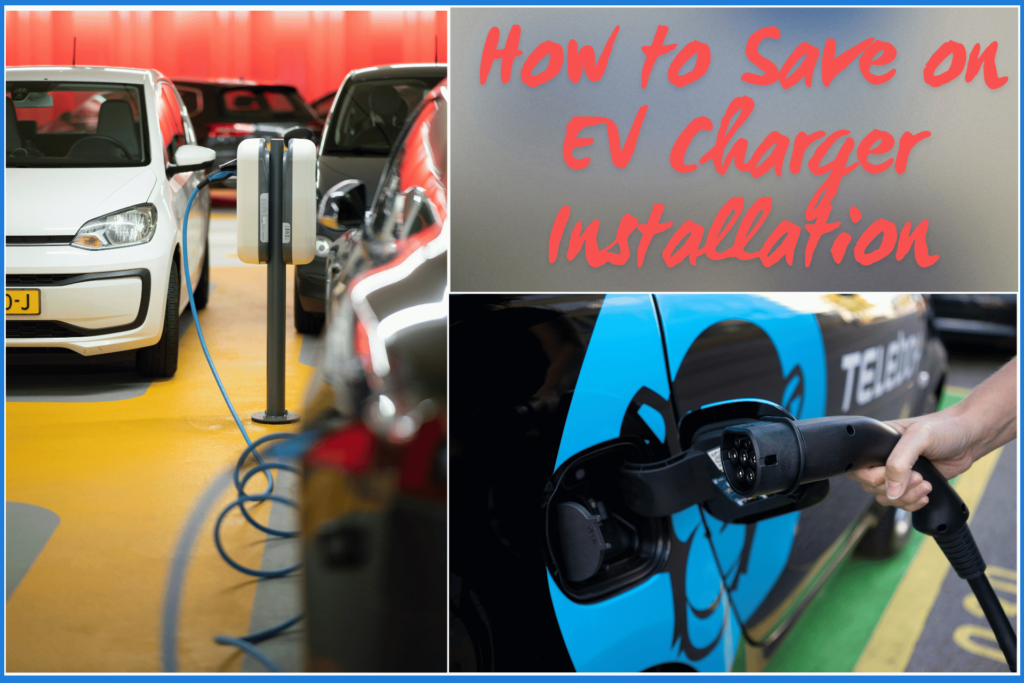
How to Save on EV Charger Installation
Tips to Lower Costs
No one wants to overspend on installation. Fortunately, there are ways to cut down charges. Let’s study a few smart ways to shop money while installing an EV charger.
Choose a Standard Installation Package
Advantages of Bundling Services
Many installers provide bundled applications, which include the charger, installation, and allows. These applications are regularly inexpensive than buying the whole thing one at a time. Ask your installer approximately these alternatives and notice if you can shop a chunk.
Shop Around for Quotes
Why Multiple Quotes Matter
Always get a couple of charges earlier than committing to an installer. Prices range extensively. By evaluating options, you’ll have a higher threat of finding a honest charge for the work.
Is Installing an EV Charger Worth It?
Long-time period Savings and Benefits
The cost of installation would possibly seem high prematurely, however over the years, it may be a smart investment. Charging at domestic eliminates the need to use costly public charging stations. Plus, you’ll have the benefit of charging your vehicle overnight, so it’s constantly geared up to go.
Conclusion : How Much Does It Cost to Install an EV Charger at Home?
Installing an EV charger at home may cost a little a chunk of cash, however it pays off in the long run. Whether you go for a Level 1 or Level 2 charger, recollect elements like place, electrical improvements, and cable period while budgeting. With the right making plans and a little studies, you’ll make the most of your funding.
With the gradual change of the global economy to green energy, electric vehicles are also on the increase globally. Nevertheless, the use of electric vehicles is not possible unless proper electric vehicle charging infrastructure is developed and implemented. In this article we are going to talk about the existing situation with EV charging stations, its advantages and disadvantages, and potential development.
What do we mean by Electric Vehicle Charging Infrastructure?
The charging system for electric vehicles involves the connection of electric vehicles for charging and accessory equipment with a network of charging connectors. This infrastructure includes:
Level 1 Charging: Connected to a regular 120V household outlet to charge the EV batteries, generally takes from 12-24 hours to fully charge.
Level 2 Charging: Uses a 240-volt outlet to charge its battery and battery charging may take between 4-8 hours to complete.
DC Fast Charging: It takes less than half an hour to charge the electric vehicles to 80% capacity using high power direct current chargers.
Public Charging Stations: These stations can be found in shopping malls, parking lots, and along the major highways thus providing great convenience to EV users.
Advantages of the electric vehicle charging network.
The development of a robust EV charging infrastructure offers numerous benefits, including:
Reduced Greenhouse Gas Emissions: EVs have no tailpipe passions, thus lowering greenhouse gas emissions and air pollution.
Increased Energy Efficiency: For every recharge from the grid on the battery, EVs use 60-70 per cent of the energy to directly drive the wheels while gasoline vehicles utilize 20 per cent of the energy in gasoline to directly drive the wheels.
Improved Energy Security: Below are the benefits of the use of EVs without depending on fossil fuels; Energy security and reduced vulnerability to fluctuations in fuel prices.
Economic Benefits: The further development of EV markets is believed to be the basis for job creation and economic activation.
The problem that is relevant to this topic, challenges facing electric vehicle charging infrastructure.
Despite the benefits, there are several challenges facing the development of EV charging infrastructure, including:
High Upfront Costs: The deployment of the EV charging stations is costly, and this poses a major problem to businesses and governments who wish to invest in that infrastructure.
Limited Standardization: The issue with the differences in the type of charging connector and charging protocols for EVs is that is may become confusing for owners of such vehicles to locate suitable charging stations.
Range Anxiety: The limited travel range of the battery-electric vehicles thus poses the problem of ‘range anxiety’ – EV owners will not easily be able to go on long journeys without access to charging facilities.
Grid Capacity: In specific, they explain that the demand for electricity to charge batteries in EVs could exert pressure on the grid, especially in the evening.
An Outlook on the Further Development of Charging Stations for Electric Vehicles
Despite the challenges, the future of EV charging infrastructure looks promising, with several trends and innovations expected to shape the industry:
Increased Investment: Electric vehicle charging stations are being deployed with considerable public and private capital, many nations have ambitious plans and goals to achieve a general acceptance of EVs.
Advances in Technology: This, together with the integration of high power DC chargers various smart charging systems is expected to increase efficiency and ease of charging of electric vehicles.
Standardization: Attempts to reach a consensus on designing the connector and fixed charging protocols for electric cars are already being made, so finding proper charging stations should not be a problem in the future.
Grid Modernization: Currently, the grid is being upgraded to support the higher power demand that will be required for charging electric vehicles, technological advancement in integration of renewable energy into the grid and energy storage.
Conclusion
The availability of strong and efficient charging stations for electric vehicles is the major importance of their overall utilization. Despite these issues confronting the industry, there are fixed assets associated with the development of EVs, including reduced greenhouse gas emissions and enhanced energy efficiency through charging units. The industry’s future can be determined largely by the growth and development of various markets, additional investment into the sector, development in charging technology, and the general move towards standardization of the networks.